INSIGHTS / THE MERIDIAN SERIES
11 / 16
Enterprise State Infrastructure (ESI)
Your security team finds a critical vulnerability on a server. Patching it right now would break something else that depends on it, so instead of patching, someone signs a risk acceptance: leave it open for 90 days, watch it closely, patch it once the dependency is fixed. Reasonable call, clearly reasoned, properly signed off.
Ninety days pass. Then a year. The person who signed the acceptance leaves the company. The vulnerability is still open. Nobody currently on the team can tell you why it was accepted in the first place, whether the reason still holds, or who owns the decision now that the person who made it is gone.
That's the gap this whole series has been describing, and it's exactly what Enterprise State Infrastructure exists to close.

What ESI Actually Is
Here's the plain version. When your team signed off on that 90-day acceptance, they weren't approving a policy — they were approving a specific risk: this vulnerability stays open for 90 days, then it gets closed. Your actual risk, right now, whether or not anyone's tracking it, is what I mean by "condition." Not a plan. Not an intention. Whatever's actually true today.
The approval was for 90 days of open risk. What you're actually carrying, a year later, is a vulnerability that's been open five times longer than approved, with nobody watching it and nobody accountable for it. Same paperwork, completely different risk underneath it. That's the gap.
Enterprise State Infrastructure is built to keep those two things — the risk you approved, and the risk you're actually carrying — visible to each other, all the time. It prices that risk in dollars, so you can weigh it against other business decisions instead of guessing. It tracks your actual risk right now, flags the moment it drifts from what was approved, governs how you're allowed to move from one risk level to another, and keeps proof of what was decided and why — proof that doesn't walk out the door with the person who made the call.
The Vocabulary, Applied
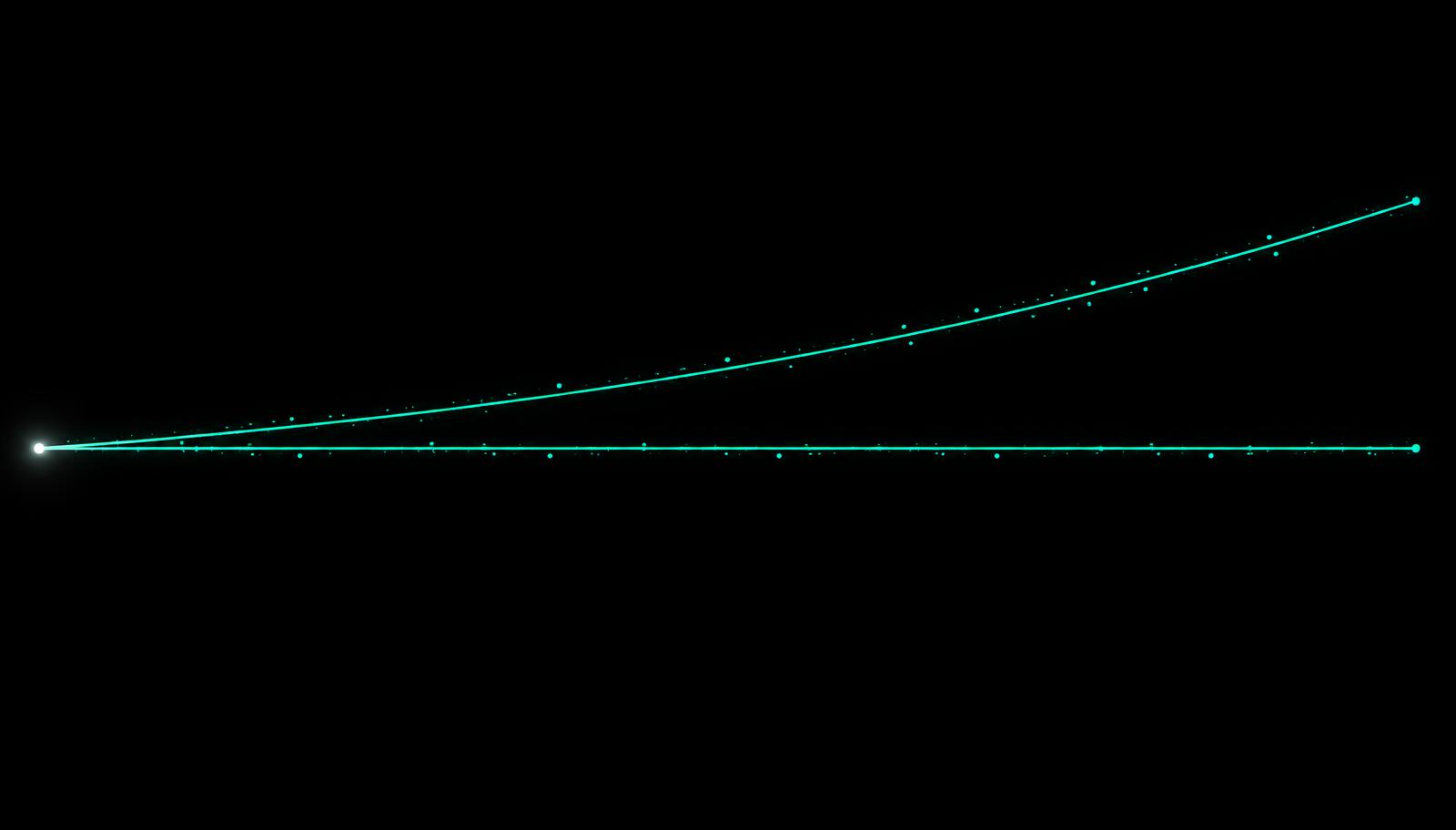
You already know these terms if you've been following this series. Intended Enterprise State is the risk leadership approved: open for 90 days, then closed. Current Enterprise State is the risk that's actually real today: still open, a year later, unowned. Enterprise Divergence is the distance between those two, made visible instead of invisible. Left alone long enough, that distance becomes Enterprise Drift — the new normal nobody chose. Closing it back up is Enterprise Alignment.
ESI is what makes that comparison continuous, instead of something you rediscover during an audit.
When the Person Who Approved It Is Gone
An auditor doesn't care that someone made a reasonable call a year ago. They care whether the risk you're carrying today is one somebody currently at the company can explain and stand behind. Without ESI, that question gets answered by whoever happens to dig through old tickets before the audit starts. With it, the answer is already sitting there, current — and it doesn't disappear when the person who approved it does.
Meridian is being built as Enterprise State Infrastructure: not a dashboard showing you a snapshot, but the thing that keeps the risk you're actually carrying tied to the decision that authorized it, for as long as that decision matters.